
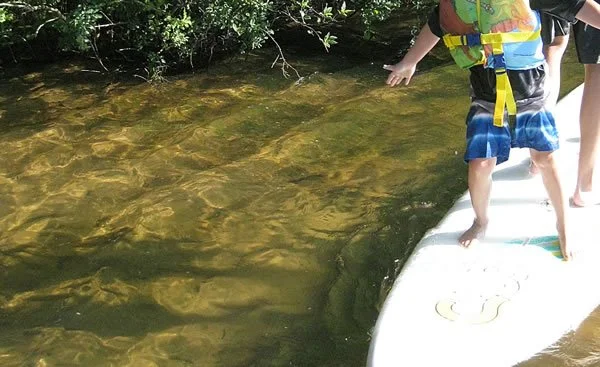
Tabor Lake is part of the Wisconsin Citizen Lake Monitoring Network. Volunteers have been trained to observe and take water samples from our lake three times each summer. These observations and samples are taken on dates when a satellite is flying overhead and recording pictures of the lake. A Secchi disc is used to see how many feet we can clearly see down. In recent years the range has been from 13-17 feet clear! Water temperature is taken and recorded from 3 - 21 feet. The temperature is warmer at the surface and in the 60s at the lower depths. Water samples are taken from the lake and sent to a lab in Madison to be tested for phosphorus and chlorophyll. The purpose of this data is to document water quality changes over time. Tabor Lake volunteers have been collecting data since the Association was formed in 1995.
Chinese Mystery Snail
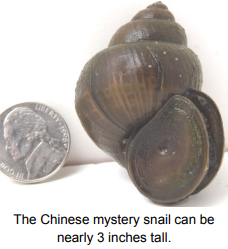
A new invasive species was found in Tabor Lake summer 2025, in the south bay area, and confirmed, Chinese Mystery Snail.
https://www.dnr.state.mn.us/invasives/aquaticanimals/chinese-mystery-snail/index.html
Control method: Harvest them from the water, as you would pick up walnuts in your yard, and dispose of them in the trash. They can live for several weeks on land, so the trash is the best way to dispose of them.
Primary concerns: Compete the with native snails. A vector for swimmers’ itch (Water itch, also known as swimmer's itch or cercarial dermatitis, is caused by a parasitic infection from microscopic larvae that burrow into the skin. These larvae, typically found in freshwater bodies like lakes and ponds, are released by infected snails and are part of a parasite's life cycle that involves birds or mammals. The itching and rash are an allergic reaction to these parasites, not a true allergy to water itself.
Aquatic Invasive Species Update
With the DNR, Tabor Lake Association (TLA) has discovered three aquatic invasive species (AIS) in our lake, Curly-Leaf Pondweed (CLP) Japanese Knot Weed, and Chinese Mystery Snail.
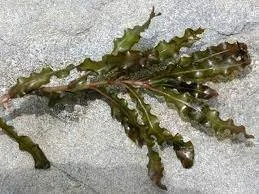
Curly Leaf Pond Weed (CLP).
TLA has joined the battle in full force against this lake destroying scourge. The first CLP plants of the season were spotted last April, and teams organized to continue pulling CLP wherever it is found. Something you can do to help… call text or email Keith Mason (651-276-4876) to join some of your neighbors for a couple hours on a boat with a pulling rake. Many hands make light work.
At TLA request, Burnett County completed a survey at over 400 grid locations in Tabor to identify and track, not only CLP, but any other Aquatic Invasive Species (AIS) that may be present so we can get the early jump on them.
In March 2025, TLA submitted an Aquatic Plant Management plan(APM) to the Wisconsin DNR which was accepted and approved. This is great news because it will allow TLA to access grant funds to help us keep Tabor Lake clean, clear and healthy so we can all continue to enjoy it.
To take a closer look at the Aquatic Plant Management Plan, click here.
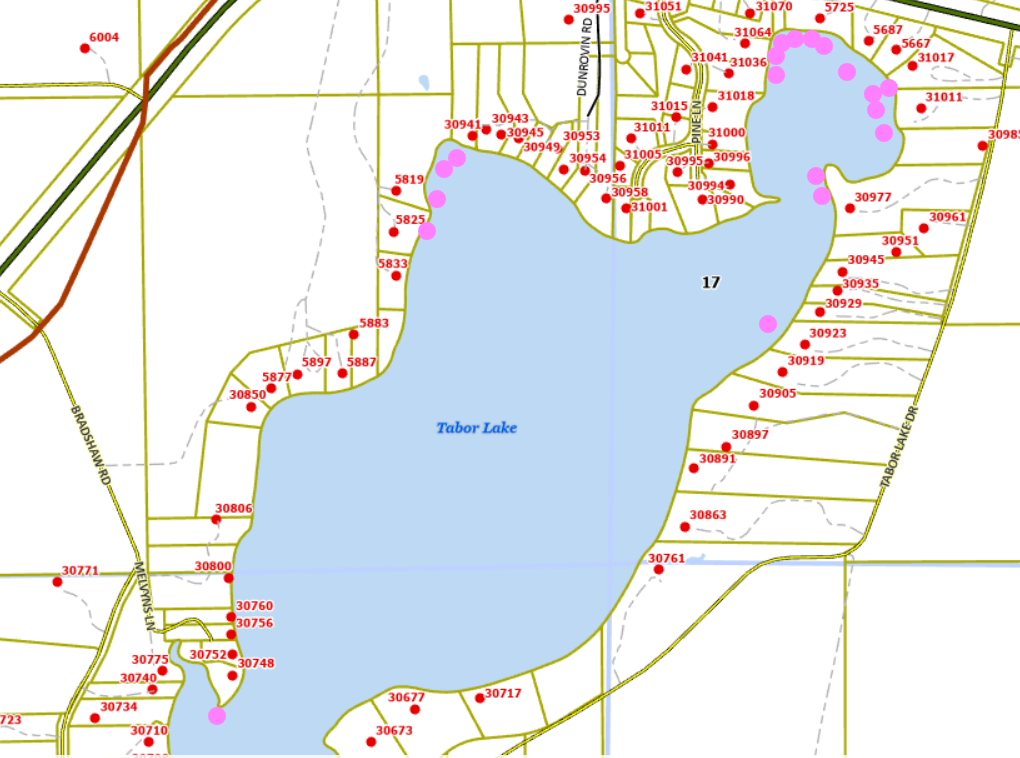
July 2026 map of CLP sightings on Tabor (pink dots). The number of CLP plants on Tabor is down on from 2025, while it is reported up on other Wisconsin lakes. This is likely a result of the many hours of diligent volunteer harvesting work by Tabor Lake residents.