
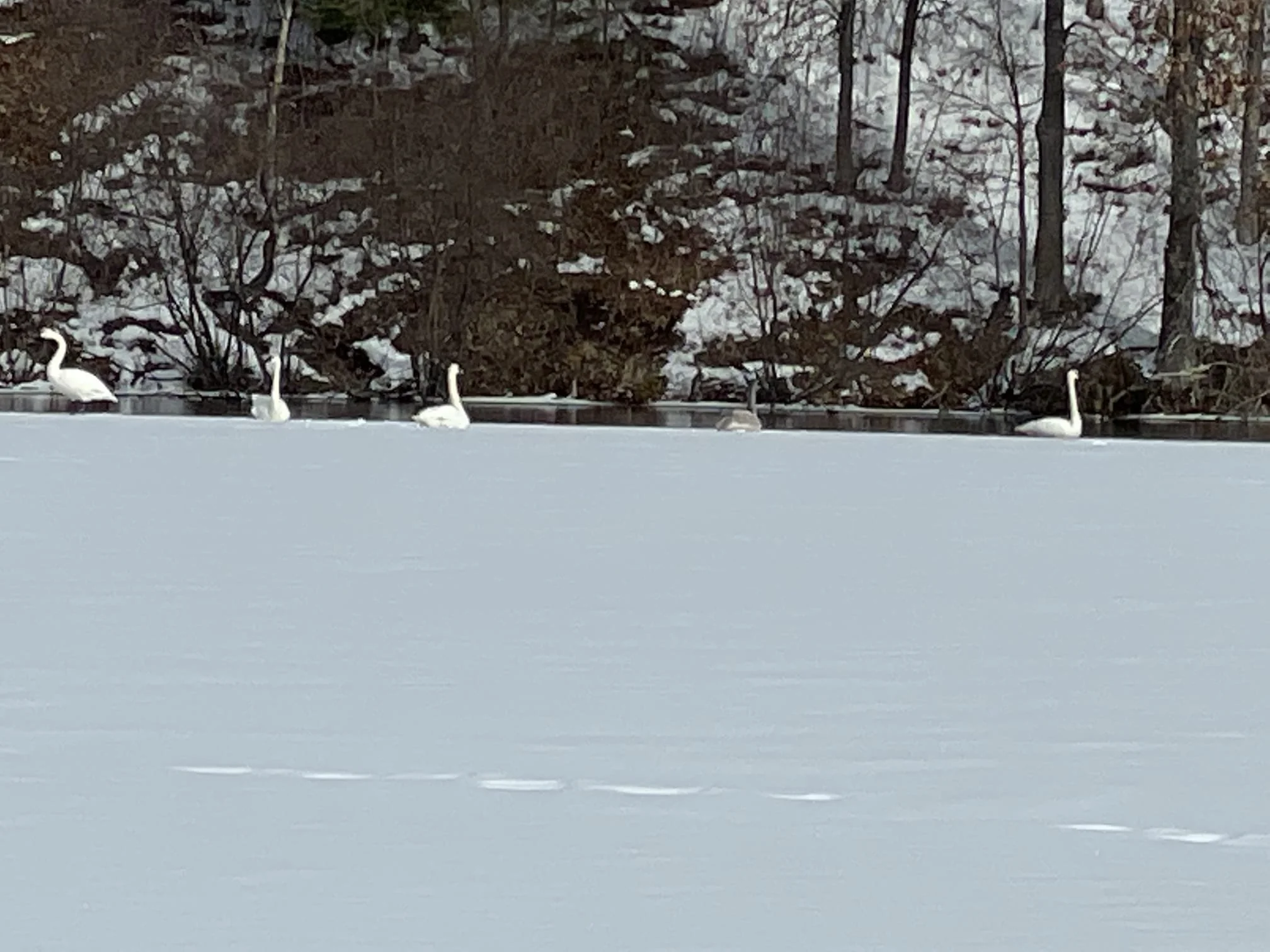
Photo Credit: Marie Cook
Phenology Fun Fact
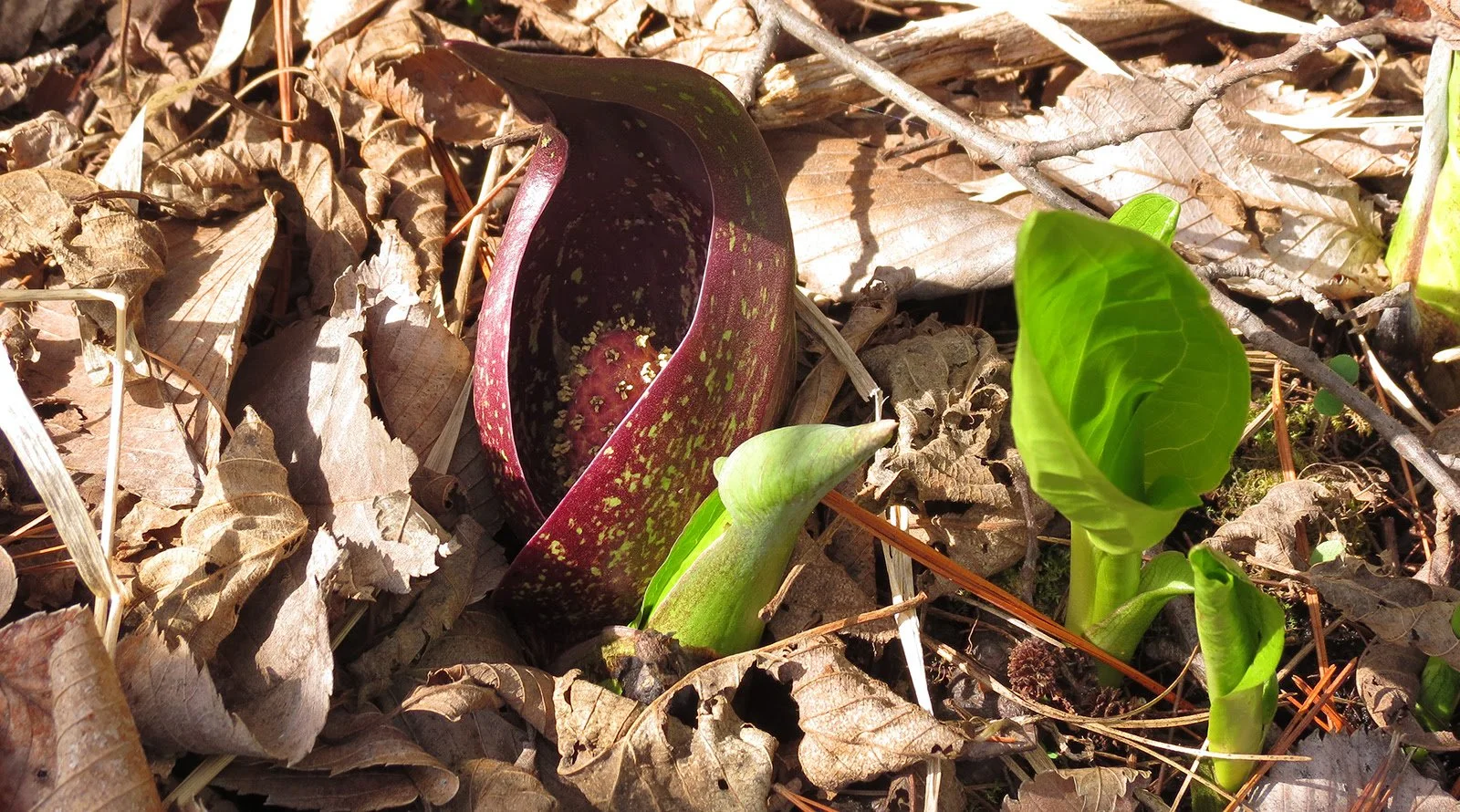
A Sure Sign of Spring: Skunk Cabbage
A sure sign of spring is the emergence of skunk cabbage (Symplocarpus foetidus) along streams and lakeshores. The first thing to emerge is the large, dark hood that surrounds the flower spike. This dark hood absorbs and concentrates solar heat to volatilize chemicals in the flower, which have a foul smell and attract flies for pollination. The plant can also metabolize starch stored underground, which produces additional heat and can help melt nearby snow.
The giant leaves of skunk cabbage emerge next, rolled up tightly but quickly unfurling and growing to over a foot in diameter. These giant leaves on the landscape indicate areas where groundwater is near to the surface. Many wetland explorers have also noted that the soil around skunk cabbage tends to be very soft and may swallow a boot after a poorly placed step!
Here are some great phenology resources:
Learn more about phenology and why it's important from College of Menominee Nation.
Watch the free webinar recording from the recent Aldo Leopold Foundation's Land Ethic Live! "The Joy and Power of Journaling" with John Muir Laws, author/illustrator.
The 2026 Aldo Leopold Foundation's phenology calendar celebrates family legacy.
Download the free 2026 Phenology Calendar from Great Lakes Indian Fish & Wildlife Commission.
Reproduced from Lake Ripples Magazine.
You can subscribe to Lake Ripples for free here.
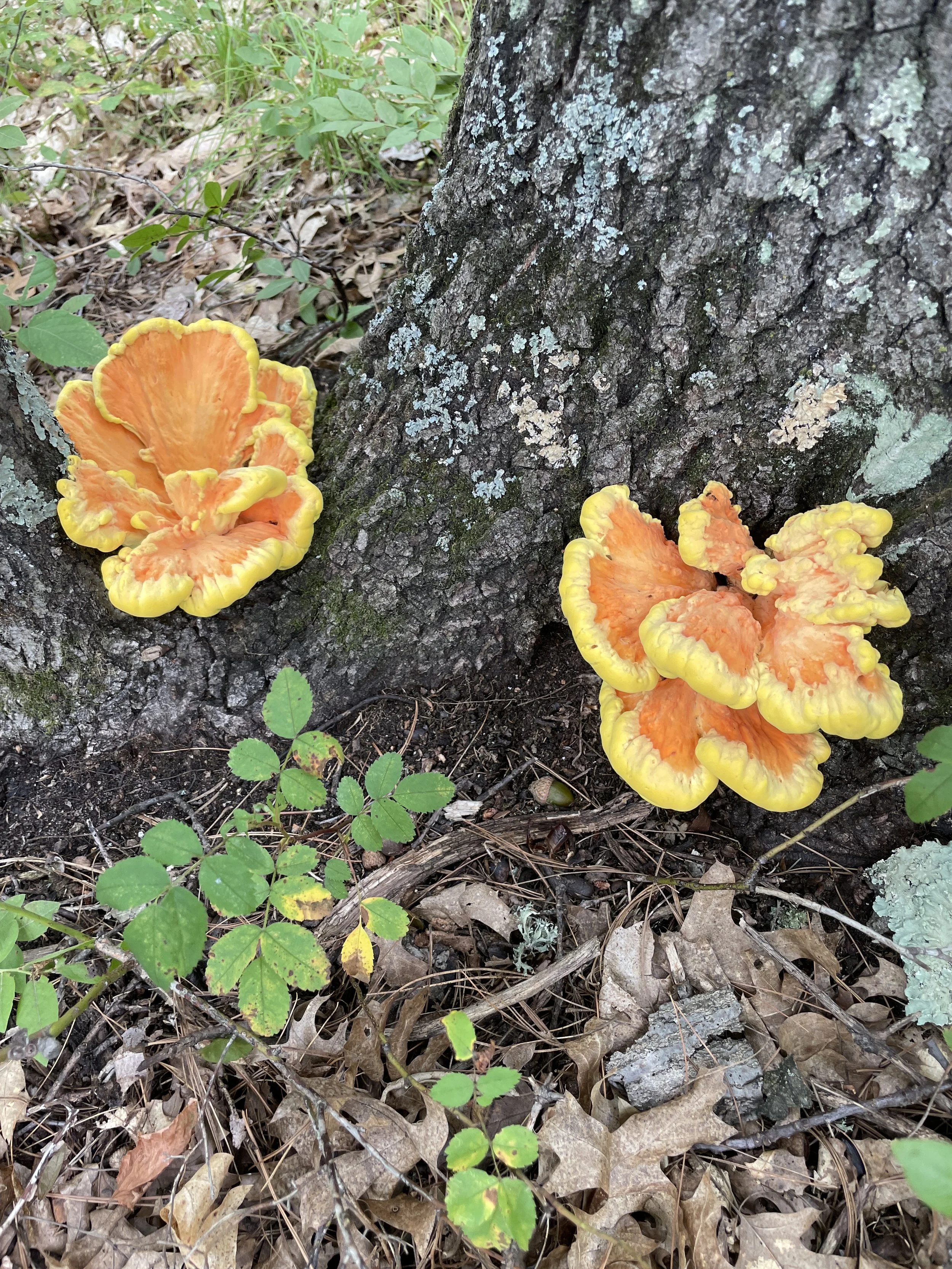
Mycology can be fun… and tasty. These look like some Chicken of The Woods.
Of course, never eat any fungus without establishing a multifactor positive ID of the species first to be sure it is safe.
Photo Credit: Marie Cook
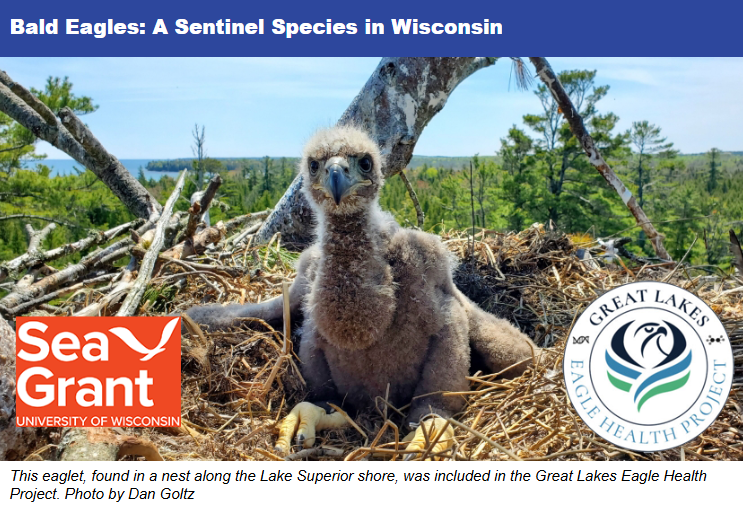
What are eagles telling us about our environment, and how does that data get collected?
Because of the efforts from federal and state agencies, along with dedicated nonprofits and volunteers, eagles were taken off Wisconsin's Endangered and Threatened Species list, but they remain protected by state law as a species of Special Concern. Our friends at Wisconsin Sea Grant recently shared an article with links to some great videos about how and why researching our national bird is important. Aptly named a "sentinel species," these beautiful, large raptors can give us a heads-up about toxins in our environment. Since 1990, the Great Lakes Eagle Health Project has tracked reproduction success and contaminant levels in eagles across Wisconsin, especially along the Great Lakes shoreline. The project brings together federal, state, tribal, and academic partners to test eagles for a variety of pollutants, like heavy metals, PCBs, and most-recently PFAS, and investigate how they’re affecting eagle health.
You can help the Wisconsin Department of Natural Resources (DNR) and other state and federal partner efforts!
Report active nest locations to the DNR (from a distance!)
Avoid bald eagle nests during the breeding season (February 15-August 1).
Discourage illegal and unethical shooting of eagles.
If you are a hunter or angler, use lead-free ammunition and tackle.
Here are some opportunities to interact with Bald Eagles in a responsible way:
Reproduced from Lake Ripples Magazine.
You can subscribe to Lake Ripples for free here.
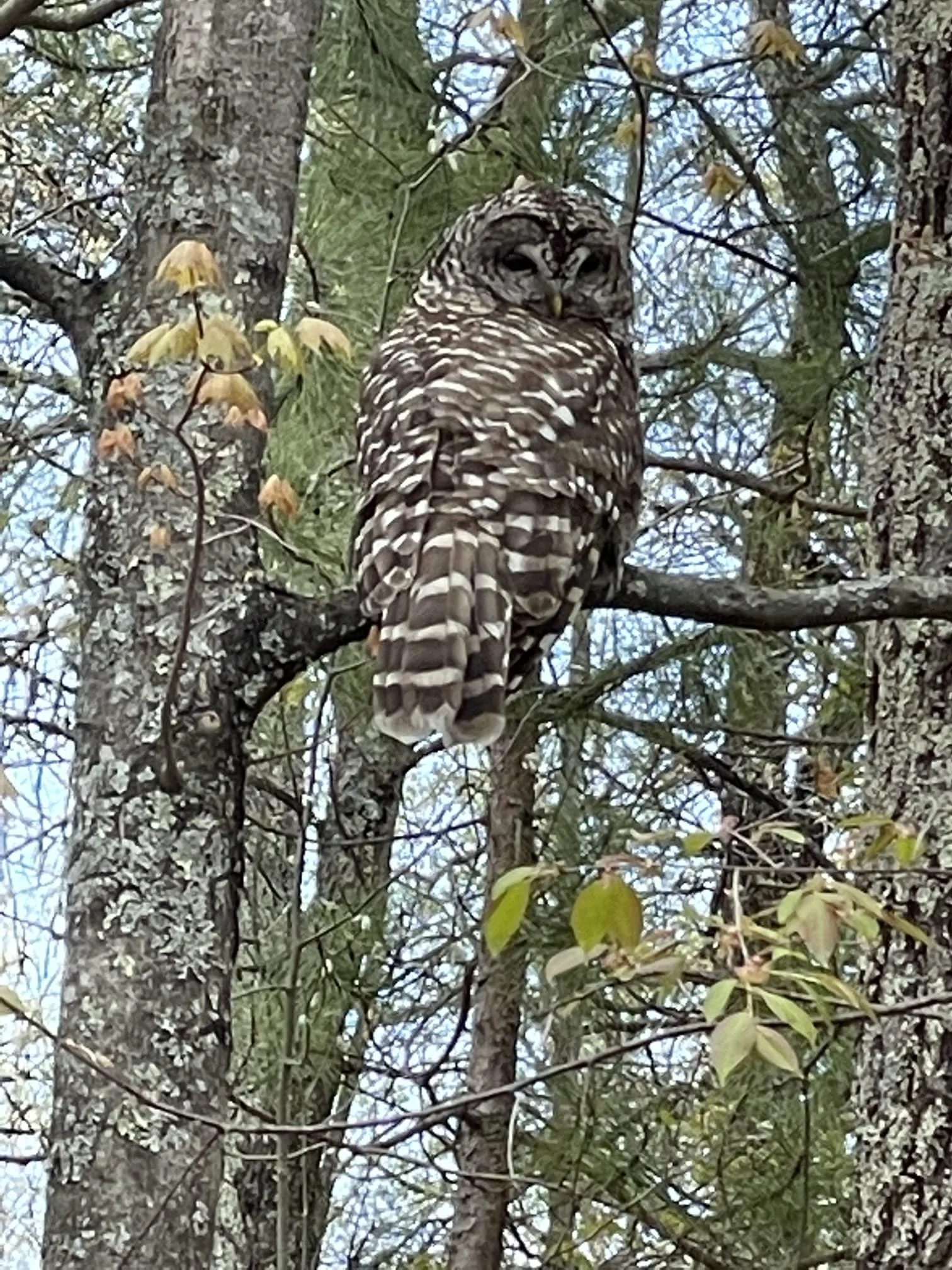
Looks like this Barred Owl may have been up past its bedtime.
Tabor is has a diverse set of natural inhabitants. But sometimes you have to look closely.
Photo Credit: Marie Cook